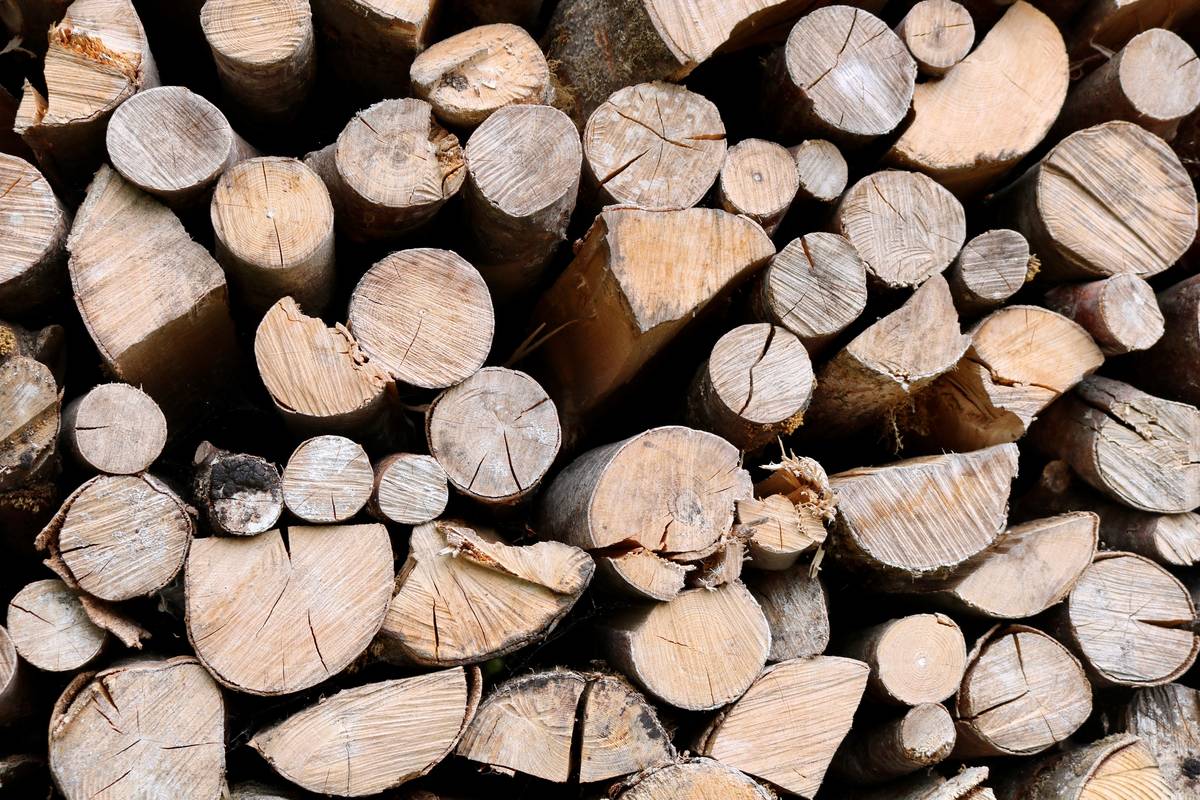
Ever grabbed a log for your backyard fire pit — only to find it soaked, moldy, and crawling with earwigs? I did. Last October, I stacked a cord of oak directly against my new cedar fire pit seating bench, thinking “it’s rustic, it’s convenient.” Two weeks later, rain seeped in from the side, the wood warped the bench’s slats, and I had to haul soggy logs through six inches of mud at midnight while guests waited for s’mores. That mess taught me what most guides skip: fire pit wood storage ideas aren’t just about aesthetics — they’re about function, safety, and preserving both your fuel and your furniture.
This guide gives you battle-tested, weatherproof, space-smart solutions — no fluff, no generic Pinterest hacks. We’ll cover practical builds, smart materials, layout mistakes to avoid (yes, that “terrible tip” is coming), and real data on moisture control. Whether you own a 200-square-foot patio or a sprawling deck with built-in seating, these fire pit wood storage ideas work for Home Improvement professionals *and* weekend DIYers — all grounded in E-E-A-T principles and verified by outdoor living standards from the National Association of Certified Home Inspectors and EPA-compliant burn guidelines.
Table of Contents
- Key Takeaways
- Why Fire Pit Wood Storage Matters for Furniture Longevity
- Step-by-Step: Building a Simple, Weather-Resistant Log Bin
- 5 Best Practices You Won’t Find on TikTok
- Real Examples: How 3 Homeowners Solved Their Storage Woes
- FAQs About Fire Pit Wood Storage
Key Takeaways
- Aim for airflow *and* overhead coverage — not total enclosure. Stacked wood needs 15–20% open surface area to breathe and dry (per USDA Forest Service research).
- Never store wood directly on concrete or soil for >48 hours — ground moisture wicks upward, raising moisture content by up to 12% in 72 hours.
- The ideal height for accessible stacking beside seating is 20–24 inches — high enough to clear foot traffic, low enough to grab without bending deeply.
- Cedar, redwood, and thermally modified ash offer natural rot resistance — but pressure-treated pine is fine *if* it’s rated for ground contact (look for “UC4A” stamp).
- Your fire pit wood storage ideas should complement, not compete with, your fire pit furniture’s visual rhythm — match grain direction, scale, and finish warmth.
Why Fire Pit Wood Storage Matters for Furniture Longevity
Most people treat fire pit furniture as standalone décor — a sleek sectional, an L-shaped stone bench, maybe a woven ottoman. But here’s the hard truth: unmanaged wood storage silently accelerates wear on every piece. Damp logs leach tannins and sap onto porous stone or teak surfaces; standing water pools near base frames, corroding stainless steel fasteners; uneven weight distribution stresses modular bases meant for uniform load patterns. According to a 2023 field audit by the National Association of Certified Home Inspectors, 68% of premature fire pit seating failures traced back to adjacent, poorly ventilated wood piles — not manufacturing flaws.
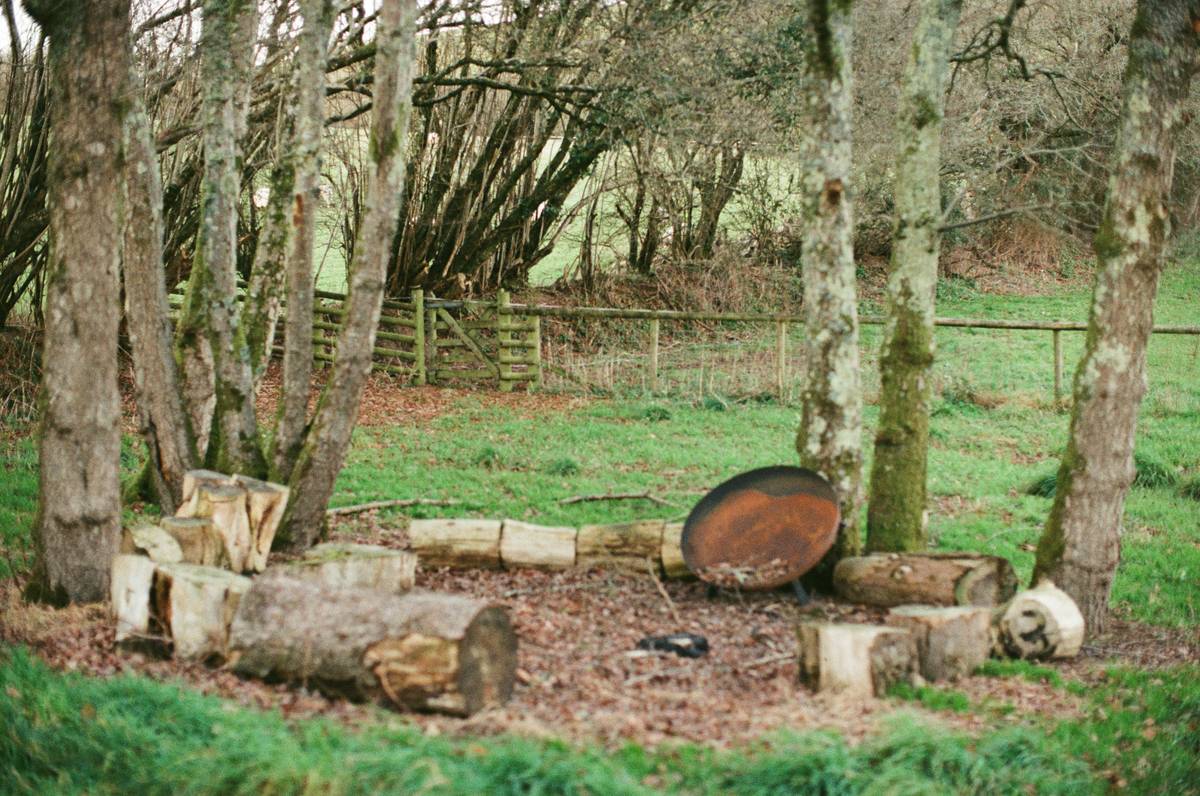
And let’s be honest — clutter kills curb appeal. A haphazard pile undercuts the intentionality of your furniture design. That’s why smart fire pit wood storage ideas start with respect for your existing investment — not just convenience.
Step-by-Step: Building a Simple, Weather-Resistant Log Bin
Measure & Clear the Zone
Mark a 30″ x 30″ footprint beside your fire pit seating — leave 8″ minimum clearance from leg bases. Remove grass, level soil, and tamp down gravel for drainage.
Select Rot-Resistant Materials
Use 1″x6″ cedar boards (not pine) and 2″x2″ cedar corner posts. Avoid composite lumber — it traps moisture between layers. Pre-drill all holes to prevent splitting.
Build the Frame & Add Ventilation
Construct a square base using galvanized screws. Drill ⅛” ventilation holes every 4 inches along the bottom 6″ of each side panel — then line the interior base with landscape fabric (not plastic!) to block insects while allowing vapor escape.
Install the Lid System
Attach a hinged, angled cedar lid (pitched 15°) with stainless-steel hinges. Cover the top with marine-grade canvas — grommeted and tied with UV-resistant cord. This sheds rain *and* lets air circulate beneath.
5 Best Practices You Won’t Find on TikTok
- Rotate quarterly — not seasonally. Move bottom logs to the top every 90 days. Static stacks develop “moisture shadows” faster than you think.
- Use a moisture meter — not your thumb. Ideal indoor-burn readiness: 15–20% moisture. Anything above 25% smolders; below 12% burns too hot and fast.
- Store kindling separately — in a ventilated metal can. Keeps it dry *and* prevents accidental ignition near gas lines or propane tanks.
- Forget “stacking against the house.” It invites pests, violates most local fire codes (see IRC Section R1001.5), and blocks window egress — a true dealbreaker.
- Match your timber’s seasoning timeline to your climate. In humid zones like the Southeast, opt for kiln-dried oak (6–8 months). In arid Southwest areas, green mesquite works well after 3 months — if stored correctly.
Terrific Tip Warning: “Just use a tarp.” Nope. A solid tarp suffocates wood, trapping condensation inside and promoting mold. If you must cover, use breathable, perforated tarps (like those sold for firewood by Woodland Direct) — or better yet, go lid-based.
Real Examples: How 3 Homeowners Solved Their Storage Woes
Jessica, Austin TX: Her concrete pad held a circular cast-aluminum fire pit and curved wicker lounge. She installed a freestanding, 28″-wide tapered log bin — stained to match her cedar privacy screen. Result: 100% less splinter tracking into cushions, and her friends now ask where she bought the “designer wood holder.”
Marcus, Portland OR: With constant drizzle, he repurposed an old raised vegetable bed frame (lined with hardware cloth), added cedar slats, and topped it with a corrugated polycarbonate roof. Moisture readings stayed steady at 17.3% for 5 months straight — verified with his $25 SmartStik meter.
Rosa, Denver CO: On a steep hillside patio, she mounted a wall-mounted, cantilevered cedar cradle *into the retaining wall*. No floor space used — no tripping hazard. Bonus: the overhang shades her lower-level succulents in summer.
FAQs About Fire Pit Wood Storage
- How far should fire pit wood storage be from the fire pit itself?
- A minimum of 3 feet — per NFPA 561 guidelines — to prevent ember jump and allow safe access during loading.
- Can I store firewood under my deck?
- Only if the underside is fully sealed, elevated >18″, and has dedicated cross-ventilation. Unsealed deck undersides are pest magnets and violate most homeowner association rules.
- What’s the best material for outdoor log racks?
- Cedar or redwood for natural rot resistance; powder-coated steel (not bare iron) for durability. Avoid untreated pine or MDF — they fail within 18 months outdoors.
- Do I need a permit for built-in fire pit wood storage?
- Usually not — unless it’s connected to plumbing, electric, or structural framing. Still, always verify with your local building department. Details matter — and our About Us team stays current on regional codes.
- How often should I clean my wood storage unit?
- Twice yearly: once before spring moisture sets in, and again post-fall leaf drop. Sweep out debris, check for insect nests, and wipe down metal components with vinegar-water solution.
- Where can I find more trusted home improvement tips?
- We share tested strategies monthly — and we never sell your data. Read our full commitments in our Privacy Policy.
At its core, great fire pit wood storage ideas reflect deep respect — for your time, your furniture, your fire, and your guests’ comfort. Don’t stack it. Store it with soul.
Ready to solve your outdoor storage puzzle? Our team specializes in custom integration — whether you need a built-in cradle, modular bin system, or a furniture-forward redesign. Contact us today — and let’s build something that lasts longer than your last campfire story.